Customers leave when sign-up is slow, and fraud gets in when checks are skipped. How to design onboarding that is quick for genuine customers and careful where it counts.
On this page
Online, a process that feels slow, confusing or unsafe gets abandoned. Customers expect to sign up, upload a document or make a payment in a few steps, and they expect their data to be handled with care while they do it.
The tension is real. Every security check adds a step, and every skipped check is an opening for fraud or a compliance problem. Treating speed and trust as a trade-off usually produces a journey that is neither fast nor safe.
Where friction and risk meet
Step
What slows customers down
What the business needs to check
Sign-up
Long forms, details typed twice
That the person is real and not a duplicate account
Identity check
Waiting for a manual review
That the ID is genuine and belongs to this person
Documents
Uploads rejected days later
That each document is valid and complete
Payment
Extra confirmation steps
That the payment and the account are legitimate
A customer completing an online form on a laptop
Three ways to keep both
Checks inside the steps customers already take
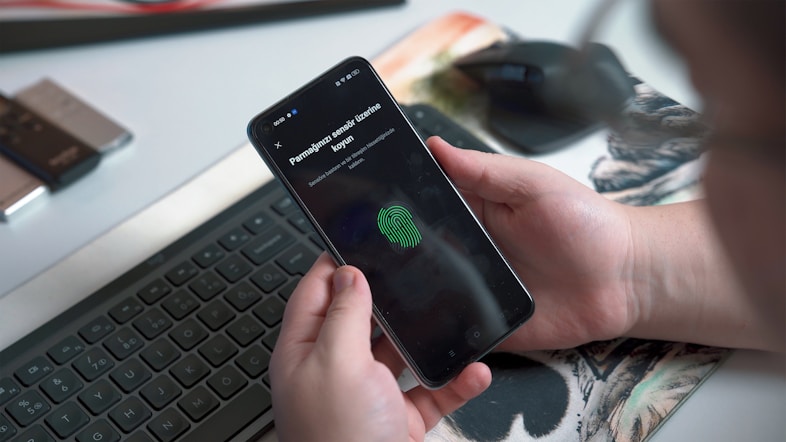
Identity and liveness checks can run during steps the customer is already doing, such as taking a photo of their ID, instead of as separate checkpoints. Extra steps are added only when risk signals appear, like an unusual device or a mismatch between documents, so most genuine customers never see them.
Documents read and validated during the flow
AI reads IDs and documents as they are uploaded, checks the fields and flags problems while the customer is still there. A blurry photo or a missing page is fixed on the spot instead of discovered after a manual review. People still review the cases that need judgment.
One conversation from start to finish
Context travels with the customer across chat, app and call center, so nobody repeats their details. Verification becomes part of the conversation rather than a wall in the middle of it.
Working through onboarding on a laptop
How we approach it
We connect customer engagement, digital identity, biometric checks and document processing into one journey, designed around the steps a customer takes rather than around separate systems. Security sits inside that journey, so genuine customers move quickly and checks only get stricter when something looks wrong.
Frequently asked questions
How can onboarding be faster without weakening security?
Run checks during steps the customer already takes, validate documents while they are still in the flow, and save extra steps for sessions that show risk signals.
What is risk-based verification?
Applying stronger checks only when signals such as an unusual device, location or document mismatch suggest higher risk, so most genuine customers get a shorter journey.
Does automated document checking replace manual review?
It handles the routine cases and flags the unclear ones. People still review the cases that need judgment.

 Randstack